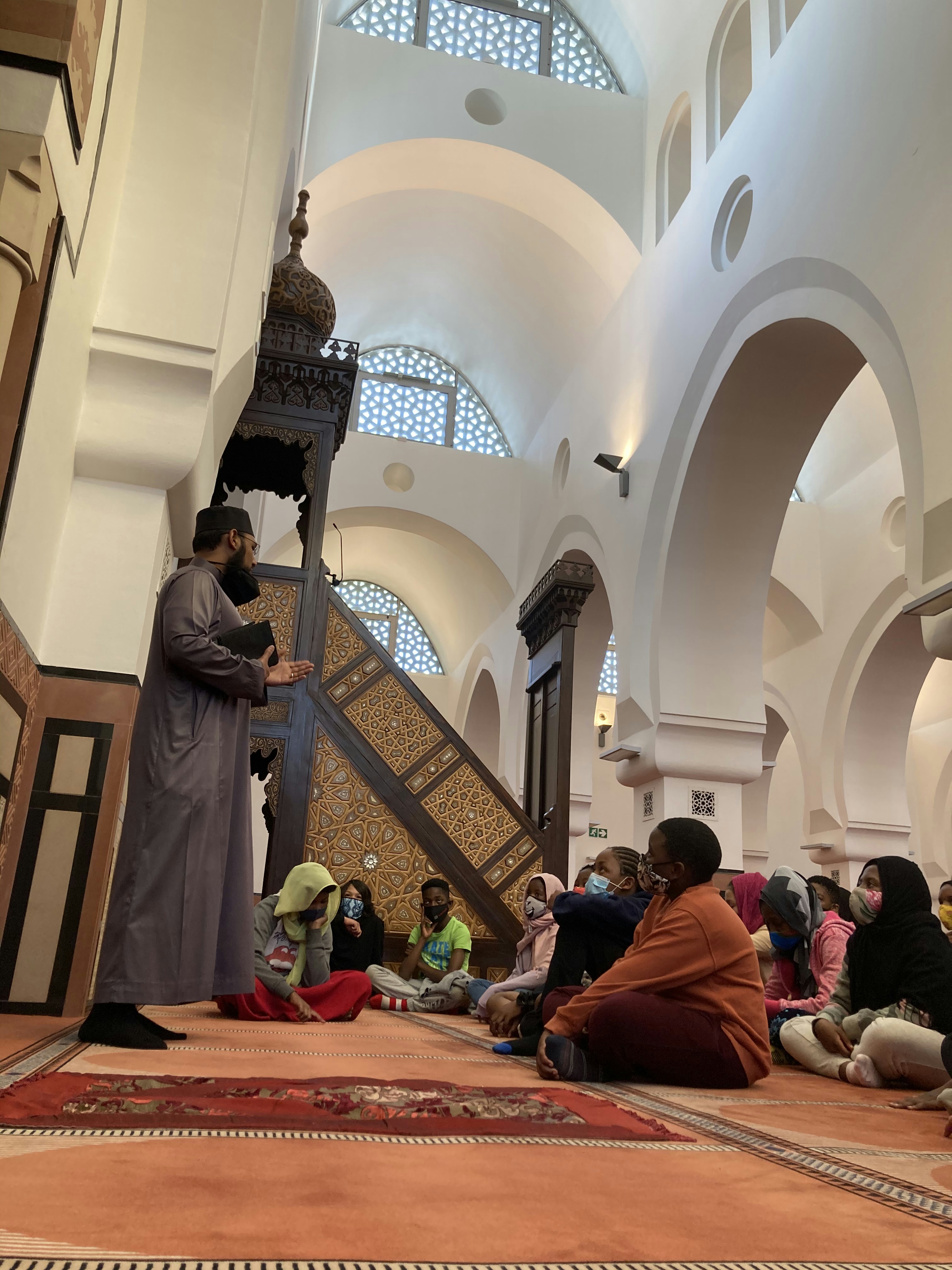
Prophets in Islam play a central role in guiding humanity toward faith, good character, and obedience to Allah. A prophet (Nabi) is chosen by Allah to deliver His message and show people how to live a righteous life. Their mission was not only to teach worship but also to build strong moral values in society.
Islam teaches that Allah sent prophets to every nation. These Islamic prophets reminded people to worship One God, avoid wrongdoing, and treat others with justice and kindness. From Prophet Adam to Prophet Muhammad ﷺ, each Prophets in Islam carried the same message of truth and guidance.
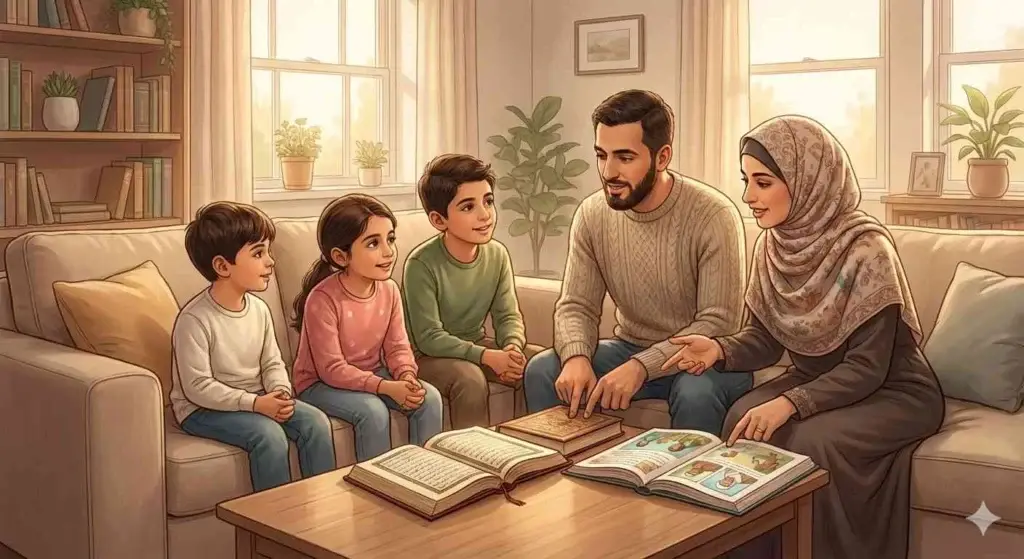
At Tadreeshub, we help students and families understand Prophets in Islam in simple and practical ways so learning becomes easy and meaningful.
📘 What Is a Prophet in Islam?
Prophets in Islam is someone who receives guidance from Allah and teaches people how to live according to divine instructions. The prophets of Islam were role models who showed honesty, patience, forgiveness, and responsibility in daily life.
These Islamic prophets lived among their communities and faced real challenges. Their lives teach us how to stay strong in faith, even during difficult times. Muslims study their stories to learn lessons about trust in Allah, good manners, and social responsibility.
⚖️ Prophets and Messengers in Islam: What Is the Difference?

Many people ask about the difference between prophets and messengers in Islam.
- A Prophet (Nabi) receives guidance from Allah and follows existing laws.
- A Messenger (Rasul) brings a new book or law to guide people.
All messengers are prophets, but not all prophets are messengers. For example:
- Prophet Musa (Moses) received the Torah.
- Prophet Isa (Jesus) received the Injil.
- Prophet Muhammad ﷺ received the Quran and is the final messenger.
Understanding this helps explain how divine guidance continued throughout history.
🤲 Prophets According to Islam: Belief in All Prophets
Prophets, according to Islam, must all be respected and believed in equally. Muslims believe in Adam, Nuh (Noah), Ibrahim (Abraham), Musa (Moses), Isa (Jesus), and Muhammad ﷺ, among many others.
The Quran teaches that no prophet should be rejected or insulted. This belief promotes respect, unity, and harmony among believers.
📊 How Many Prophets Are There in Islam?
A common question is: how many prophets are there in Islam?
Islamic teachings mention that Allah sent approximately 124,000 prophets, but only 25 prophets are mentioned by name in the Quran. Each prophet was sent to guide a specific nation or time period.
🌍 Major Islamic Prophets and Their Messages
Some well-known islamic prophets include:
- Prophet Adam – The first human and first prophet.
- Prophet Nuh (Noah) – Taught patience and faith.
- Prophet Ibrahim (Abraham) – Example of strong belief in One God.
- Prophet Musa (Moses) – Leader and law-giver.
- Prophet Isa (Jesus) – Taught mercy and compassion.
- Prophet Muhammad ﷺ – Final prophet who completed the message of Islam.
Their stories teach discipline, honesty, courage, and trust in Allah.
🌙 Why Prophets Were Sent to Humanity
Allah sent prophets to:
✔️ Teach worship of One God
✔️ Correct wrong beliefs
✔️ Promote justice and morality
✔️ Guide people toward peaceful living
The prophets of Islam were teachers, leaders, and examples for humanity.
The Importance of Muhammad ﷺ:
The Final Messenger Muhammad ﷺ holds a singular place in Islam as the final prophet. His life and mission were pivotal in conveying the ultimate message of monotheism and moral guidance. Born in Mecca around 570 CE, Muhammad’s early life was marked by integrity, leading to his nickname, Al-Amin, meaning the trustworthy. His interaction with the community and emphasis on ethical conduct laid the foundation for his later prophetic mission.
✅ Conclusion: Why Prophets in Islam Matter
In summary, prophets in Islam guide people toward faith, discipline, and moral living. Learning about islam prophets helps children and adults build strong character and spiritual understanding.
Studying the lives of Prophets in Islam strengthens belief, encourages patience, and improves daily behavior. This knowledge helps families grow closer to Allah and live peacefully in society.