
Table of Contents
What Is Dua in Islam?
Many people ask, what is dua in Islam, and why does it hold such a special place in a Muslim’s life. Simply put, dua means calling upon Allah. It is a personal conversation between a believer and their Creator, where a person shares hopes, fears, gratitude, and needs. The word dua comes from an Arabic root meaning to call, to invite, or to request.
Unlike formal prayers that follow fixed steps, dua is flexible and deeply personal. You can make dua in any language, at any time, and in any place. This makes it one of the most beautiful forms of worship in Islam because it reflects sincerity rather than formality. Whether someone is asking for guidance, healing, forgiveness, or peace of mind, dua allows the heart to speak directly to Allah.
Understanding the meaning of dua in Islam also helps beginners realize that dua is not only about asking for things. It is also about praising Allah, thanking Him for blessings, and strengthening faith. A believer may raise their hands in gratitude after a good day, or whisper a quiet dua during moments of stress. Every sincere call is valued, no matter how simple the words may be.
Why Do Muslims Make Dua?
Muslims make dua because life is filled with uncertainty. Decisions, struggles, health concerns, family responsibilities, and financial pressures often push people to seek guidance beyond human limits. Through dua, believers acknowledge that true help comes from Allah.
One important reason people ask what is a dua in Islam is to understand its emotional and spiritual impact. Dua brings comfort during hardship and gratitude during happiness. It creates balance in life by reminding the believer that every moment — good or difficult — has purpose.
Another powerful benefit of dua is emotional healing. When someone speaks honestly to Allah, worries feel lighter, and hope grows stronger. This emotional relief supports mental peace and spiritual stability.
The Connection Between Dua and Allah
The relationship between dua and Allah is deeply personal. Dua is not just asking for results — it is building trust. When a person sincerely calls upon Allah, they admit their weakness and depend on divine mercy and wisdom.
Sincerity is the heart of every accepted dua. Even short, simple words spoken from the heart carry immense value. Over time, regular supplication strengthens faith and creates mindfulness of Allah’s presence in daily life.
Dua for Forgiveness in Islam
Seeking forgiveness is one of the most common reasons people turn to dua. Dua for forgiveness in Islam helps believers cleanse their hearts, correct mistakes, and return to righteousness. No human is perfect, and Islam encourages repentance without despair.
A well-known forgiveness dua is Sayyidul Istighfar, which expresses regret, gratitude, and hope for Allah’s mercy. Many Muslims also repeat simple phrases like:
“Astaghfirullah” – I seek forgiveness from Allah.
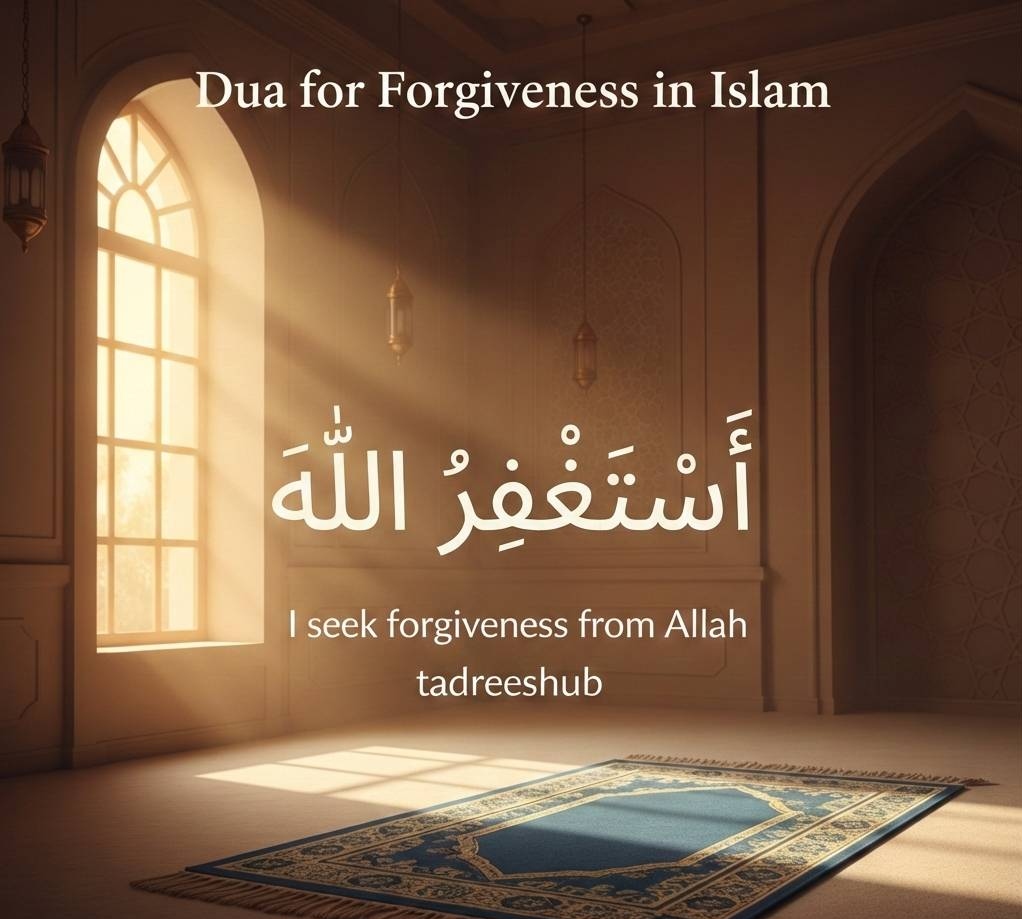
Making forgiveness dua in Islam regularly softens the heart and strengthens moral awareness. It teaches accountability while reminding believers that Allah’s mercy is limitless.
Dua for Travel in Islam
Travel often involves uncertainty, which is why Muslims recite dua for travel in Islam before starting a journey. These duas seek safety, protection, and blessings.
سُبۡحٰنَ الَّذِیۡ سَخَّرَ لَنَا ہٰذَا وَ مَا کُنَّا لَہٗ مُقۡرِنِیۡنَ ﴿ۙ۱۳﴾ وَ اِنَّاۤ اِلٰی رَبِّنَا لَمُنۡقَلِبُوۡنَ
Translation: when you have settled upon them and say. “Exalted is He who has subjected this to us, and we could not have [otherwise] subdued it. And indeed we, to our Lord, will [surely] return.”
One common travel dua Islam includes asking Allah for ease, goodness, and protection for both the traveler and their family. Reciting these supplications creates spiritual comfort and reinforces reliance on Allah throughout the journey.
Dua for a Deceased Person in Islam
Praying for someone who has passed away is a noble act of compassion. Dua for dead person in Islam asks Allah to forgive, show mercy, and grant peace in the hereafter.
A widely recited dua is:
“Allahummaghfir lahu warhamhu wa‘afihi wa‘fu ‘anhu.”
O Allah, forgive him, have mercy on him, grant him safety, and pardon him.
Such prayers strengthen family bonds and remind believers of life’s temporary nature.
Dua Happy Birthday Islamic Wishes
Although birthdays are cultural rather than religious events, Muslims often use them as moments to thank Allah and make kind prayers. Dua happy birthday Islamic wishes usually include asking Allah for health, guidance, long life, and barakah (blessings).
Simple examples include:
- “May Allah grant you a life filled with peace, faith, and success.”
- “May Allah protect you and guide you always.”
Benefits of Making Dua
The benefits of dua go beyond material requests. Regular supplication brings:
- Emotional relief and peace
- Spiritual closeness to Allah
- Increased patience and resilience
- Gratitude and humility
- Stronger faith and hope
Those who consistently practice dua develop better emotional stability and spiritual confidence.
Etiquette of Making Dua in Islam
To enhance acceptance and sincerity, Islam teaches certain manners:
- Make dua during blessed times (last third of night, Friday, between adhan and iqamah).
- Face the Qiblah when possible.
- Raise hands humbly.
- Begin with praise of Allah and salawat upon the Prophet ﷺ.
- Be patient and consistent.
- Trust Allah’s wisdom in response timing.